

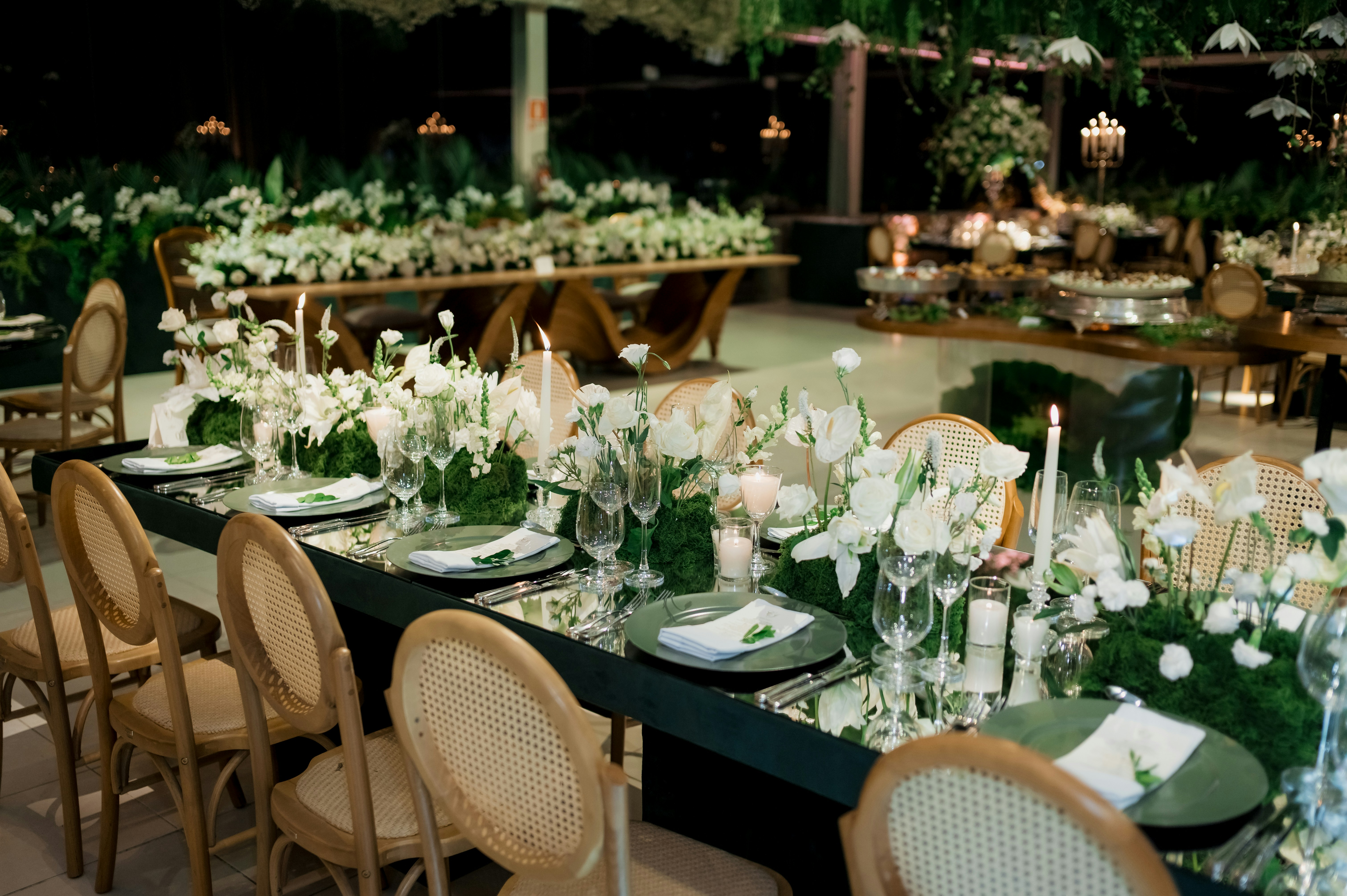
How to Plan an Event
How to Plan an Event: 10 Simple Steps to Get Started
Planning an event can feel like juggling a dozen things at once: the venue, the guest list, the food, the budget, and the date. The good news is that every successful event, from a 20-person dinner to a 200-person party, follows the same basic path.
Here are 10 steps to take you from idea to event day.
1. Define the purpose
Start with why. Is it a celebration, a team offsite, a client dinner, a launch? The purpose shapes every other decision, from the venue to the menu. If you can finish the sentence "This event is successful if...", you're ready to move on.
2. Set your budget first
Decide on a total number before you look at venues, and include a buffer of 10 to 15% for surprises. Then split it across the big categories: venue, food and drinks, staffing, décor, and entertainment. Venue and catering usually take the largest share.
3. Choose your date (and a backup)
Pick two or three possible dates. Weekdays and off-peak months are often cheaper and easier to book, while Friday and Saturday evenings are in highest demand. In Austin, also check the calendar for big events like SXSW, ACL, and UT football weekends, which can fill hotels and venues quickly.
4. Estimate your guest count
You don't need a final list yet, but you do need a realistic range. Guest count affects the venue size, the staffing, the budget, and the layout. As a rule of thumb, expect 10 to 20% of invited guests not to attend, depending on the type of event.
5. Pick the right venue
The venue sets the tone for the whole event. Look at capacity (standing vs. seated), location and parking, indoor and outdoor options, a backup plan for weather, and what's included in the price. Visit in person if you can, or ask for photos of the space set up for events like yours.
6. Ask for an all-in quote
Ask every venue for a quote that includes service charges, taxes, staffing, rentals, and fees, so you can compare total costs and not just rental prices. This step avoids the surprises that catch most first-time hosts.
7. Plan the food and drinks
Match the menu to the event. A cocktail party, a seated dinner, and a daytime celebration each call for something different. Ask about dietary needs when you invite people, and confirm whether alcohol is provided by the venue or whether you bring your own.
8. Build the timeline and flow
Write out the event minute by minute: setup, guest arrival, any speeches or activities, food service, and breakdown. A simple schedule helps your vendors, your staff, and you. Leave a little room in the schedule, since things rarely start exactly on time.
9. Confirm the details and vendors
A week or two before the event, confirm everything in writing: the final headcount, the setup time, vendor arrival times, music, décor, and any permits or insurance. Share the timeline with everyone involved and give one person a phone number to call on event day.
10. Prepare for event day
Arrive early, walk through the space, and check the setup against your plan. Have a short list of things to bring, such as signage, name tags, chargers, and a small repair kit. Then step back and enjoy the event. If the planning was solid, the day should run itself.
One last tip
After the event, send a quick thank-you to guests and vendors and note what worked and what didn't. That list makes your next event easier to plan.
Looking for a space to start with? Browse our curated Austin venues and send us your date and guest count. We'll help you find the right fit.